Cataracts in Birds
Note that not all cloudy eyes are symptomatic of cataracts. Older pets may suffer from nuclear sclerosis, which is a normal change of aging and does not
Health articles from Beauty of Birds: expert, ethical guidance on caring for and training pet birds.
Note that not all cloudy eyes are symptomatic of cataracts. Older pets may suffer from nuclear sclerosis, which is a normal change of aging and does not
Renal Dysfunction or Kidney Disease is fairly common in pet birds, and is one of the more common problems in older birds. Normally functioning kidneys filter waste products from the blood stream into the urine.

A cracked beak is like a broken tooth and as bone and nerve endings are connected to the beak, such injuries are painful. The beak has an abundant blood supply, so any beak injury is likely to cause excessive bleeding.
Here at Beauty of Birds, you can get information about the Birds / Parrots: Toxicities and Toxic Exposure in your home and also First Aid Instructions following Toxic Exposure.
If you want to know about the First Emergency Care for Birds like poisoning, bleeding, injuries, burns, wounds, vomiting, or Seizures, visit Beauty of Birds.
There is no doubt that every newly purchased bird should be tested and quarantined before introducing it into an established flock. There are different ways of DNA Sexing and Disease Testing of Birds.
During preening, birds gather oily secretions that contain diester waxes from their oil glands. This gland is located near the base of (just above) the tail.
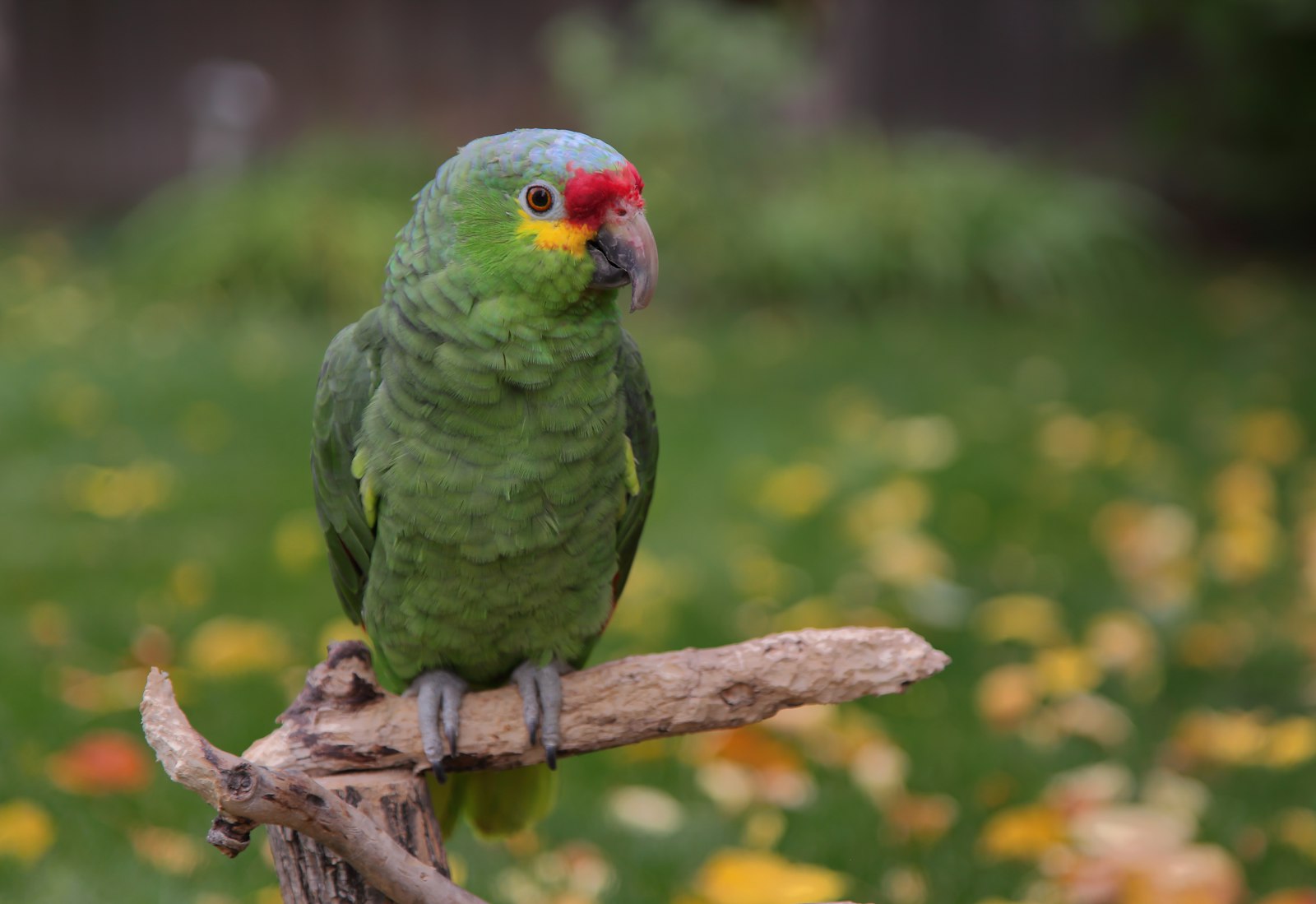
The Diseases Amazon Parrots are most susceptible to bacterial infections, but can also be viral or nutritionally. Predominantly affects Mexican Red-Headed Amazons, Lilac-Crowned and Red-lored Amazons).
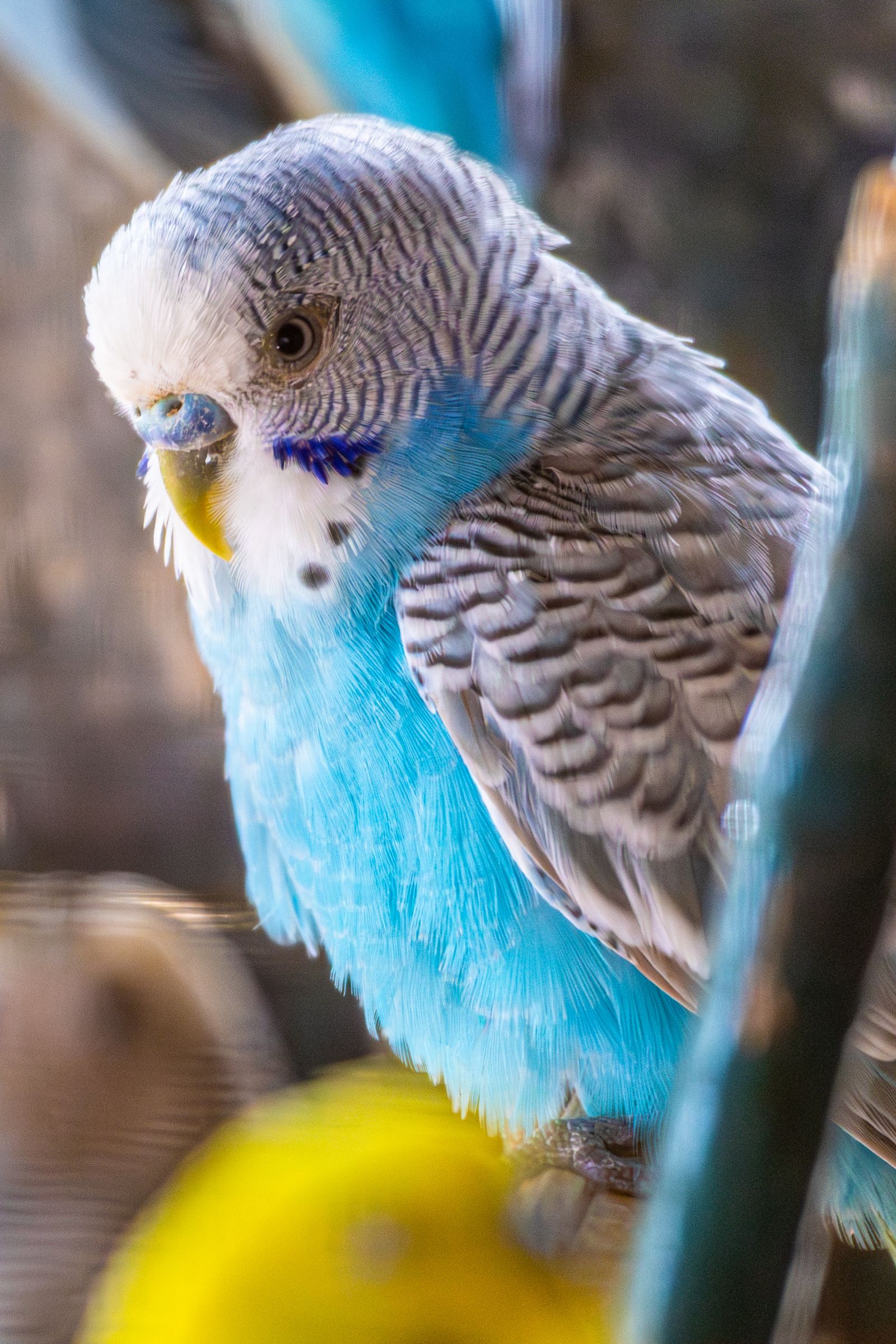
Scaly face is most commonly caused by Knemidokoptes - also spelled Cnemidocoptes, which are eight-legged microscopic mites that are related to spiders, ticks and scorpions - but obviously much smaller in size.

In a life-and-death situation when every minute counts for an animal, you can call the ASPCA National Animal Poison Control Center for 24-hour emergency