African Grey Lifespan: How Long Do African Grey Parrots Live
Beauty of Birds Editorial Team
November 9, 2023 · Updated September 8, 2026 · 13 min read
The author of this article is separate from the Beak School training courses and their instructors.
African Grey Parrots live 40 to 60 years in captivity with good care, and average about 22.7 years in the wild. The longest documented captive African Grey reached 55 years. In practical terms, a healthy young African Grey is a bird that can outlive its owner, which is why rehoming plans matter as much as diet and cage size.
| African Grey lifespan | Typical |
|---|---|
| In the wild | About 22.7 years |
| In captivity, well cared for | 40 to 60 years |
| Longest documented | 55 years (Tarbu, 1957 to 2012) |
| Sexual maturity | 3 to 5 years |
| Eye colour reaches adult yellow | Around 4 to 5 years |
What follows covers where those numbers come from, how to estimate a bird's age, the causes of death that shorten a captive Grey's life, and the four care factors that make the largest difference to longevity.

Average African Grey Lifespan In The Wild
In their natural environment, African Grey Parrots have an estimated average lifespan of 22.7 years.
This is considerably shorter than their potential lifespan in captivity, primarily due to the challenges they face in the wild.
These challenges include predation, habitat destruction, and the impact of human activities such as hunting and illegal trapping.
Despite these threats, African Greys have adapted to survive the elements and predation by various species.
Natural Predators Of African Grey Parrots
African Grey Parrots are subject to predation at every stage of their lifecycle.
The most significant predators of nesting African Greys include palm-nut vultures and other raptors.
On the ground, they must contend with carnivorous mammals, birds of prey, and larger reptiles like pythons.
Human activities also pose a threat, as African Greys are trapped and hunted for the pet trade, for use in traditional medicine, and as bushmeat.
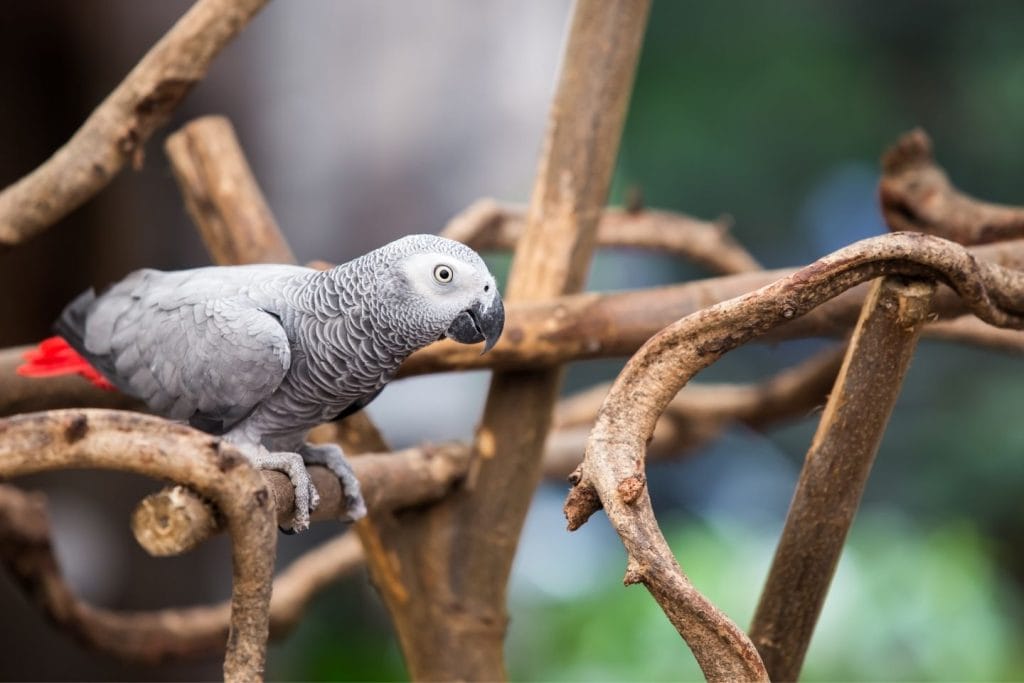 In the wild, the most significant predators of nesting African Greys include palm-nut vultures and other raptors
Average Lifespan of African Greys In Captivity
With the right care, African Grey Parrots can live remarkably long lives in captivity, often reaching ages between 40 and 60 years.
This extended lifespan is due to the controlled environment that reduces the risk of predation and ensures a consistent and nutritious diet.
However, it’s crucial for owners to provide adequate space, mental stimulation, and social interaction to prevent psychological stress and health issues that can arise in captivity.
The commitment to adopting an African Grey should be made with consideration of their potential long lifespan, which can frequently outlive their caregivers.
Lifespan Comparison of Various Pet Parrots
Here is a table that depicts the average lifespans of various pet parrot species for reference. African Greys can be lifelong companions if they get the right environment and care.
For this reason, potential owners need to have a clear plan for the bird’s well being, even after they are no longer able to take care of their pet.
| Bird Species | Average Lifespan in the Wild | Average Lifespan in Captivity |
| African Grey Parrot | 22.7 years | 40-60 years |
| Cockatiel | 10-15 years | 15-20 years |
| Cockatoo | 20-40 years | 40-70 years |
| Macaw | 30-50 years | 50-60 years, some up to 80 |
| Amazon Parrot | 25-30 years | 40-70 years |
| Eclectus Parrot | 30-40 years | 30-50 years |
| Conure | 15-25 years | 20-30 years |
How To Determine The Age Of An African Grey?
Determining the precise age of an African Grey Parrot can be challenging, especially in the absence of birth or hatch records.
However, there are a few indicators that can help estimate the age of these birds, particularly when they are young:
Eye Color: African Grey Parrots are born with dark gray or black eyes. As they mature, the iris lightens to a pale gray color.
By the time they are around one year old, the eyes may turn a straw color, and by the age of four or five, the iris typically becomes a light yellow, which is characteristic of adult African Greys.
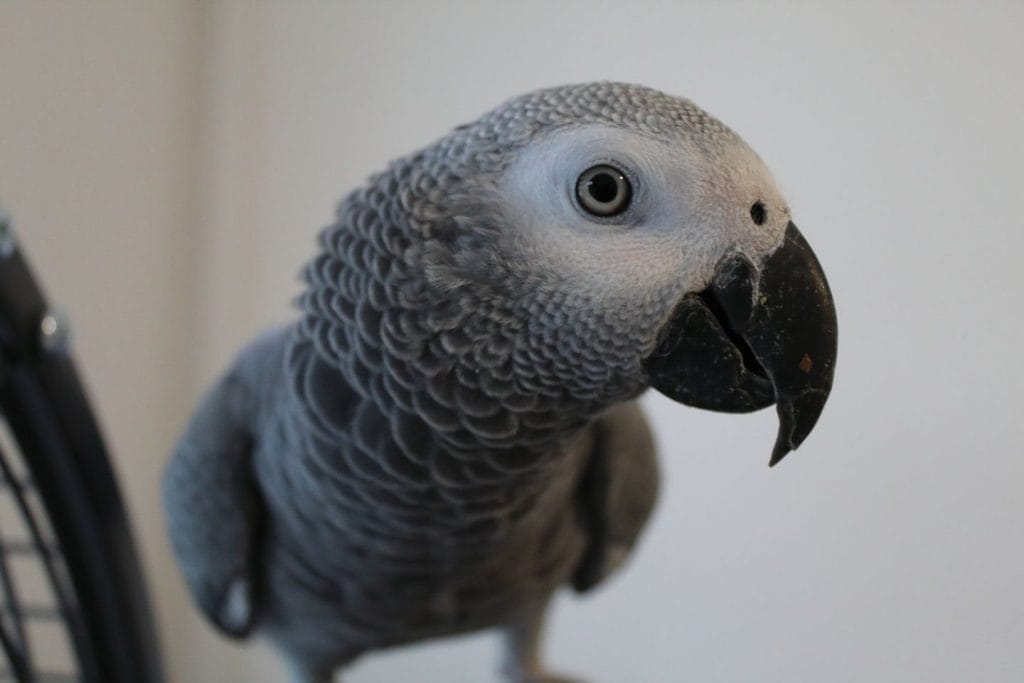 As African Grey’s mature, the iris lightens to a pale gray colo
Feather Condition: Juvenile African Greys have softer, fluffier feathers. As they age, their feathers become firmer, and the coloration may become more vibrant or defined.
Behavior: Younger African Greys may exhibit more playful and curious behavior, and they may be more adaptable to new environments.
Older birds often have established behaviors and may be more resistant to change.
Beak and Nails: With age, the beak and nails of an African Grey may show signs of wear.
However, this is not a definitive indicator, as the condition of these can be influenced by the bird’s environment and activities.
Health Checks: A veterinarian may be able to provide an estimate of age based on a general health check, looking at the overall condition of the bird, its organs, and any signs of aging or wear.
It’s important to note that these methods can only provide an estimate and are not foolproof.
The most reliable way to know the age of an African Grey Parrot is through documentation from the time the bird was hatched or acquired.
What Is The Record For The Longest Living African Grey?
The record for the longest-living African Grey Parrot is held by a bird named Tarbu.
Tarbu was born in Tanzania in 1957 and lived a full 55 years before passing away in England in 2012.
This remarkable lifespan is well above the average for African Greys, both in the wild and in captivity, and it highlights the potential longevity of these birds when they are provided with optimal care.
While Tarbu’s age is impressive, it’s worth noting that parrots, in general, can live for many decades.
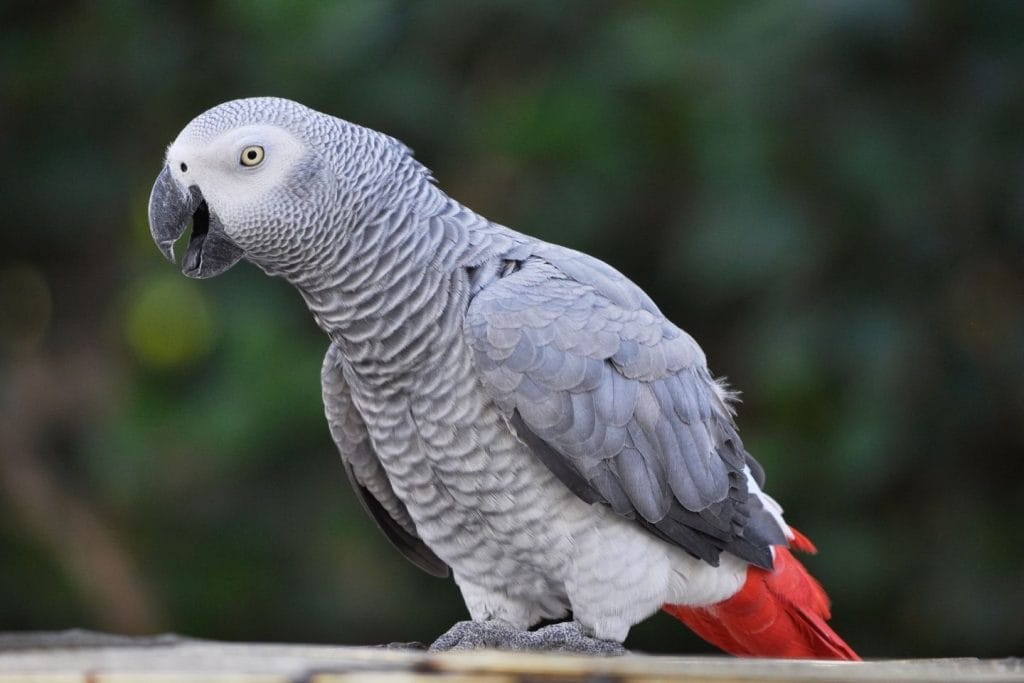 The longest living African Grey is known to have lived 55 years
For example, the oldest recorded bird in the Psittaciformes order, which includes parrots, macaws, and cockatoos, was a Major Mitchell’s cockatoo named Cookie, who lived to be over 82 years old.
Although Cookie was not an African Grey, this record provides insight into the potential longevity of captive birds in the parrot family when they are well cared for.
How Long Do African Greys Survive Without Food?
African Grey Parrots, like many bird species, can survive for a limited period without food, but this is not ideal for their health.
Typically, an African Grey can survive for about two to four days without food.
However, this duration can vary based on several factors, including the bird’s overall health, energy reserves, and the ambient temperature.
It’s important to note that while they may survive for a short period without food, the lack of nutrition can quickly lead to health issues and a weakened state, making them more susceptible to diseases and other health problems.
Regular feeding is crucial for African Greys. They require a balanced diet that includes a variety of fruits, vegetables, nuts, and specialized pellets to meet their nutritional needs.
Consistent feeding not only ensures they receive the necessary nutrients but also provides mental stimulation and maintains their overall well-being.
What Are The Common Causes Of Death For African Greys?
African Grey Parrots, both in the wild and in captivity, can succumb to various causes of death. Some of the common causes include:
- Diseases: African Greys are susceptible to several diseases, such as Psittacine Beak and Feather Disease (PBFD), Avian bornavirus (ABV), Psittacosis, Sarcocystosis, and Aspergillosis. These diseases can be fatal if not diagnosed and treated promptly.
- Poor Nutrition: Malnutrition is a common issue in captive African Greys. An imbalanced diet lacking in essential nutrients can lead to various health problems, including weakened immune systems and organ failure.
- Accidents: In captivity, accidents such as collisions with windows or mirrors, drowning in water containers, or injuries from unsafe toys or cages can be fatal.
- Stress and Psychological Issues: African Greys are highly intelligent and sensitive birds. Stress, boredom, and lack of mental stimulation can lead to psychological issues like feather plucking and self-mutilation, which can have severe health implications.
- Predation and Environmental Factors: In the wild, predation by raptors, snakes, and mammals, as well as environmental factors like habitat destruction and extreme weather, are significant threats.
- Human Activities: Illegal trapping for the pet trade, hunting, and habitat destruction due to human activities are major threats to wild African Grey populations.
Regular veterinary check-ups, a balanced diet, a safe and stimulating environment, and proper care are essential to prevent these issues and ensure the health and longevity of African Grey Parrots.
 African Greys are susceptible to several diseases, such as Psittacine Beak and Feather Disease (PBFD), Avian bornavirus (ABV), Psittacosis, Sarcocystosis, and Aspergillosis
Life Cycle Of African Grey Parrots
The life cycle of African Grey Parrots encompasses several distinct stages from hatchling to adult, each marked by unique characteristics and milestones:
- Egg Stage: The life cycle begins with the egg stage, where the female African Grey lays eggs, typically 3-5 in a clutch. The eggs are incubated for about 28-30 days before hatching.
- Hatchling: Once hatched, the chicks are entirely dependent on their parents for warmth and nourishment. They are born blind and with minimal down feathers.
- Nestling: As nestlings, they develop their first feathers and start to open their eyes. This stage is critical for their growth and development, lasting about 10-12 weeks. During this time, they are fed and cared for by their parents in the nest.
- Fledgling: At around 12 weeks, the young parrots begin to fledge, learning to fly and gradually becoming more independent. This is a crucial period for developing their flight skills and gaining confidence.
- Juvenile: After leaving the nest, they enter the juvenile stage, characterized by further development of their plumage and skills. They start to explore more and learn survival skills, although they may still rely on their parents for food and protection.
- Adolescence: This stage involves socialization and learning complex behaviors. African Greys continue to mature and develop their distinctive grey feathers and red tail feathers.
- Adult: Reaching sexual maturity at about 4-6 years of age, they are now fully grown and capable of breeding. Adult African Greys display a full grey plumage, a bright red tail, and a more developed cognitive and vocal ability.
Factors That Determine Lifespan Of African Greys In Captivity
The lifespan of African Grey Parrots in captivity is influenced by several key factors:
The Role Of UV-B
UV-B light is crucial for the health of African Grey Parrots. In the wild, these birds are exposed to natural sunlight, which is a significant source of UV-B rays.
These rays are essential for the synthesis of Vitamin D3, which in turn is necessary for calcium metabolism.
A deficiency in UV-B can lead to hypocalcemia, causing seizures, secondary infections, and damage to the bird’s feathers.
Captive African Greys require exposure to UV-B light, which can be provided through special bulbs. Regular replacement of these bulbs is necessary to ensure their effectiveness.
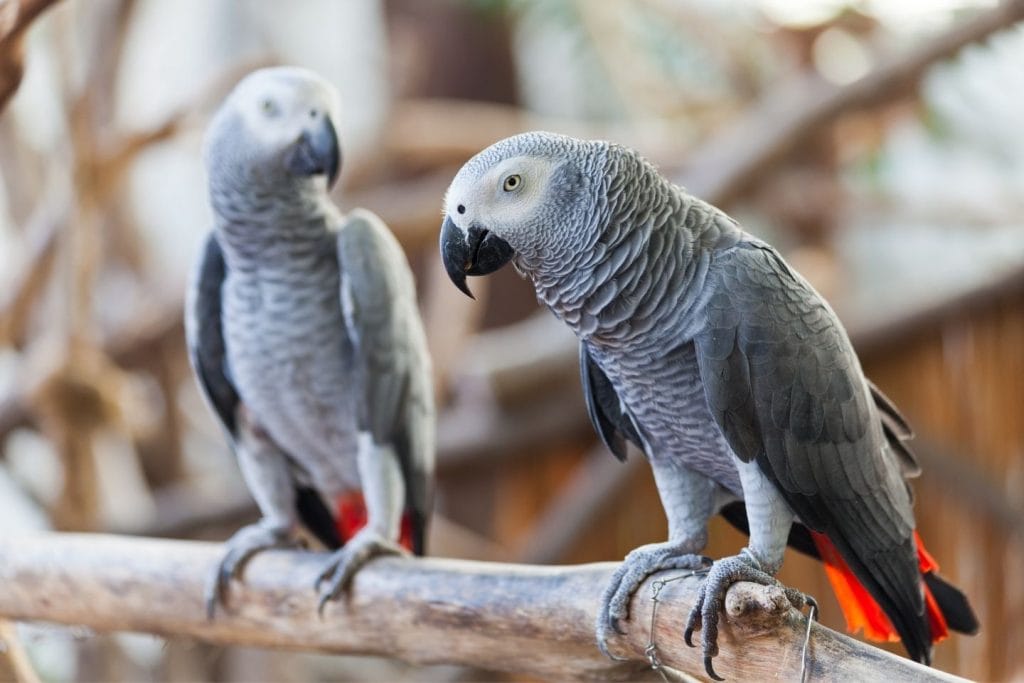 UV-B rays are absolutely crucial for African Greys’ health
Diet And Nutrition
A balanced diet is vital for the longevity of African Grey Parrots. In the wild, they consume a variety of seeds, nuts, fruits, berries, and vegetables.
However, many captive African Greys are fed diets that are either too narrow or nutritionally imbalanced, leading to deficiencies in essential nutrients like vitamin A and calcium.
These deficiencies can cause health issues such as hypocalcemia, reproductive disorders, feather problems, and weakened immune responses.
A proper diet for a captive African Grey should consist of specially formulated pellets, fresh fruits and vegetables, and a small amount of lean protein.
Cage And Housing
The living environment plays a significant role in the health and lifespan of African Grey Parrots. These birds require spacious cages to move around and flap their wings.
The cage should be placed in a well-ventilated, draft-free area, as African Greys do not tolerate cold well.
Exposure to drafts and cold can lead to respiratory illnesses and infections.
Additionally, these birds should be kept away from kitchens and nonstick cookware, as the fumes from heated nonstick surfaces are toxic to their respiratory systems.
Mental Stimulation And Exercise
African Grey Parrots are highly intelligent and require mental stimulation to stay healthy and happy.
Lack of mental engagement can lead to psychological issues like feather plucking and self-mutilation.
Providing toys, puzzles, and regular interaction, as well as opportunities for physical exercise, is essential.
Allowing them out of their cage to explore in a safe, bird-proofed area helps in maintaining their physical and mental well-being.
By addressing these factors, owners can significantly contribute to the health and longevity of their African Grey Parrots in captivity.
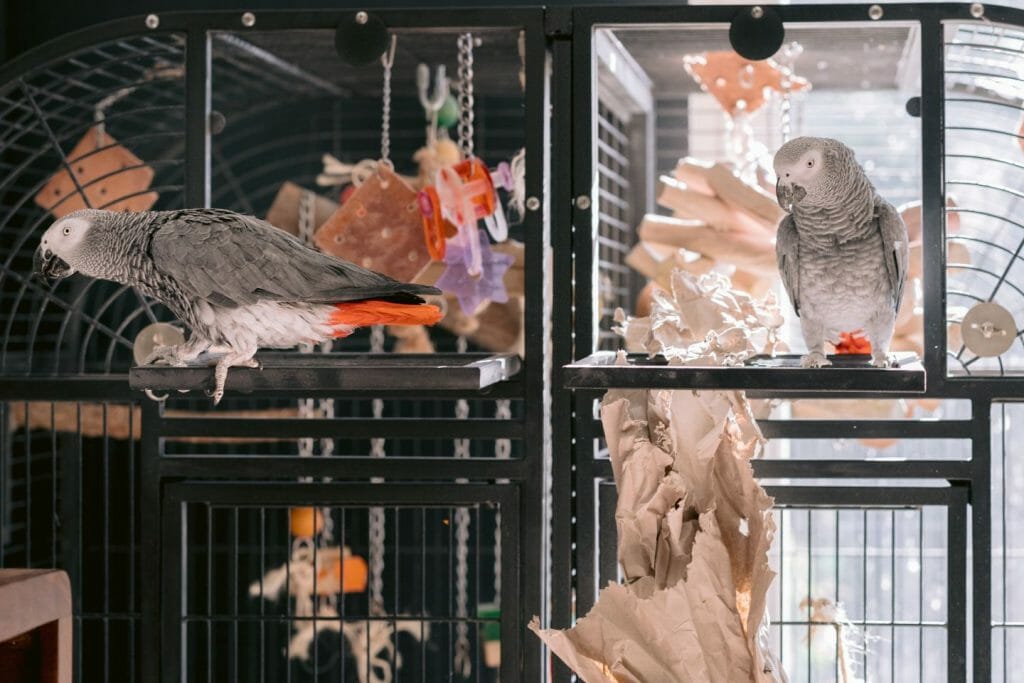 African Greys need spacious cages and copious out of cage time
Frequently Asked Questions
How long do pet African Grey parrots live?
Pet African Grey Parrots, when cared for properly, have a significant lifespan, typically living between 40 to 60 years in captivity. The longest lifespan documented for the species is 55 years; claims of African Greys reaching 80 or 90 years are usually confused with other parrot species, such as the Major Mitchell's cockatoo that lived past 82. Their longevity is influenced by factors such as diet, housing, mental stimulation, and overall healthcare.
Are African greys good pets?
African Grey Parrots are known for their intelligence, ability to mimic human speech, and social nature, making them highly sought-after pets. However, they require a significant commitment in terms of time, attention, and care. They thrive on social interaction and mental stimulation, so they are best suited for individuals or families who can dedicate time and resources to their well-being. Prospective owners should be prepared for a long-term commitment, as these birds can live for several decades.
Do African Grey parrots sleep at night?
Yes, African Grey Parrots, like most parrots, are diurnal, meaning they are active during the day and sleep at night. They require about 10-12 hours of sleep each night. A quiet, dark, and comfortable environment is essential for their sleep. Covering their cage at night can help provide a sense of security and encourage a healthy sleep cycle.
Do African greys mate for life?
In the wild, African Grey Parrots are known to form strong pair bonds, often staying with a single mate for many years or potentially for life. This monogamous behavior is also observed in captivity, where they can form strong attachments with their human caregivers or with another bird if they are paired. It’s important to note that the strength of these bonds can be influenced by the individual personalities of the birds and their environment.
Conclusion
African Grey Parrots are remarkable birds known for their intelligence, longevity, and ability to mimic human speech.
In the wild, African Greys have a shorter lifespan, averaging around 22.7 years, primarily due to natural predators and environmental challenges.
In contrast, in captivity, with proper care, these parrots can live significantly longer, often between 40 and 60 years, and sometimes even longer.
This extended lifespan in captivity highlights the importance of responsible pet ownership and the impact of a nurturing environment on their health and well-being.
Key factors that contribute to the longevity of African Grey Parrots in captivity include
- Exposure to UV-B light for vitamin D3 synthesis
- A balanced and nutritious diet to prevent malnutrition
- Spacious and safe housing to avoid stress and accidents
- Ample mental stimulation and exercise are needed to maintain their physical and mental health.
Prospective and current owners must be prepared for the long-term commitment that comes with caring for an African Grey, including naming someone who will take the bird on if they cannot.
An annual check-up with a vet who actually sees birds is the single most useful habit for a long-lived Grey, because the diseases that kill them are treatable when caught early. Our directory of avian vets by state lists clinics that see parrots.
Sources consulted: Guinness World Records on the oldest documented parrot, contemporary reporting on Tarbu, the longest-lived African Grey, and published wild-population survival estimates for Psittacus erithacus.
Filed under: Pet Birds, African Grey Parrots
Unlock the language of your bird.
Beak School is the on-demand parrot training course from the team behind Beauty of Birds. On-demand video lessons on biting, screaming, nutrition, grooming, plus monthly live Q&A and a private community of owners who actually get it.
$27 covers your first 30 days, then $77/mo. Cancel anytime. 14-day money-back guarantee.
Watch the free parrot training videos.
Short, force free lessons from Beak School on biting, screaming, and building trust with your bird. Enter your email and start watching.
More on Pet Birds
8 Birds That Can Mimic Human Speech Almost Perfectly
Eight pet bird species that mimic human speech with stunning accuracy, and what their vocal learning means for training.
10 Best Birds For Experienced Bird Owners
If you’ve been a bird parent for years and feel ready to take on a feathered friend that matches your expertise, this article is for you. Today, we’re diving
Bird Feeder with Camera: Meet the Gigalumi Smart Bird Feeder
Imagine stepping outside and being greeted by an array of colorful birds, each chirping harmoniously, creating a serene backyard retreat.