

 Health
Top Hazards to your Pet Bird’s Health
If you want to know about the Top Ten Hazards to your Pet Birds and the life-endangering hazards that your pets may face, visit Beauty of Birds.
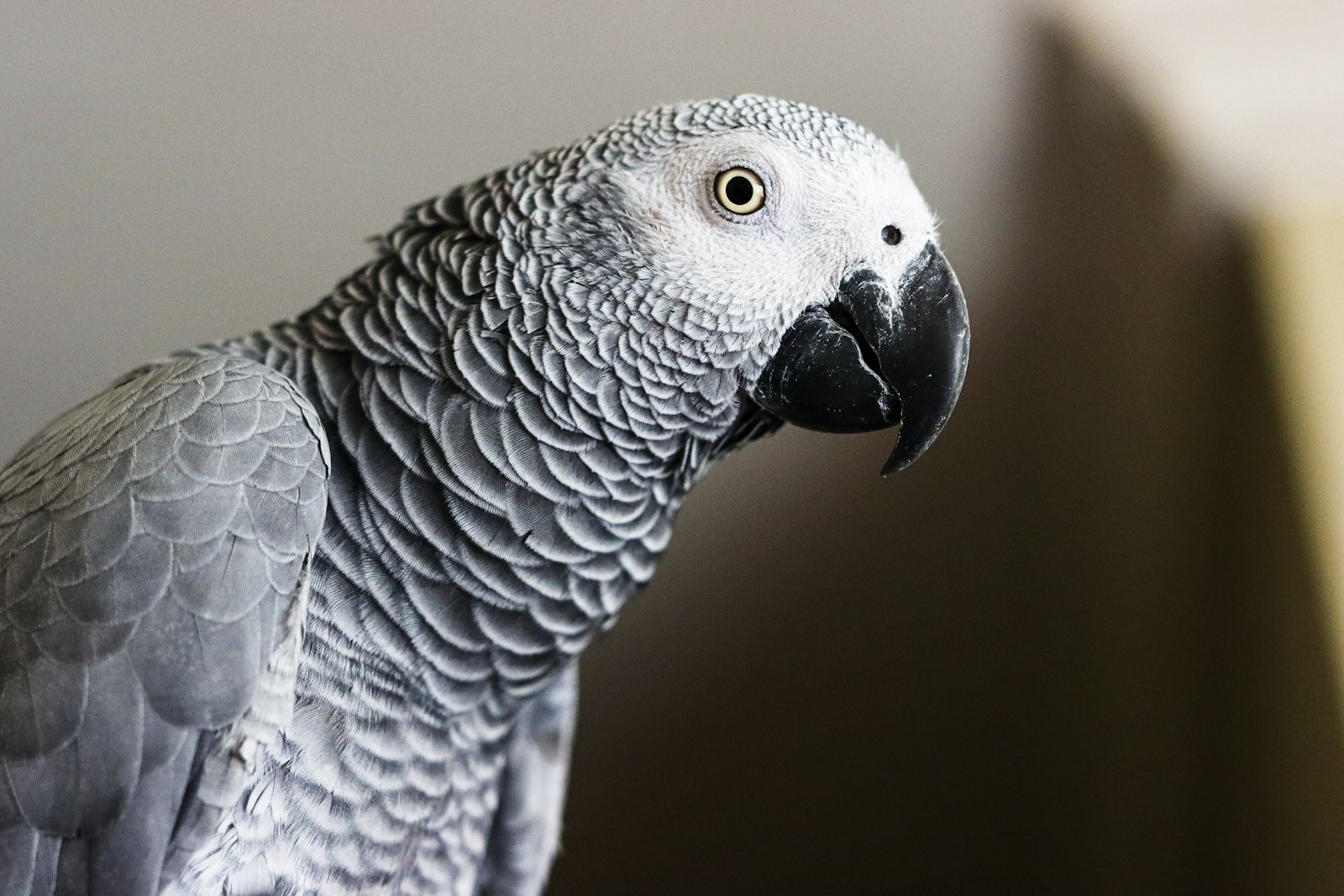
The Congo African Grey Parrot, a marvel of the avian world, captivates enthusiasts with its intelligence, vocal prowess, and striking appearance.
Read full article→Browse by category
HealthIf you want to know about the Top Ten Hazards to your Pet Birds and the life-endangering hazards that your pets may face, visit Beauty of Birds.
Coccidia are a group of protozoan parasites that are extremely common. Coccidia infection is especially common in young animals housed in groups (in breeding facilities, pet stores, shelters, rescue areas, kennels, etc.) This is a common parasite and is not necessarily a sign of poor husbandry.
If you want to know about Marek's Disease their prevention, symptoms, diagnosis, supportive nutrition, and treatment options, visit Beauty of Birds.
Sarcocystosis is a disease that affects psittacines, primarily those of Australian, Asian and African origin. It is caused by a protozoan parasite (Sarcocystis falcatula) which is introduced into the aviary by opossums (Didelphis virginiana).
HealthInfectious Bronchitis Virus (IBV) is a clinically acute, highly contagious viral disease affecting chickens of all ages. IBV has an incubation period of only 24 to 72 hours.
HealthColiform infections occur regularly in captive as well as wild birds, and can be either gastro-intestinal or respiratory in nature. While E. coli is a normal
HealthAvian Goiter aka Thyroid hyperplasia is an enlargement of the thyroid glands due to abnormal proliferation of the epithelial cells lining the follicles. The glands are located in the neck region.
HealthAs is suggested by the name, Fowl Cholera disease affects primarily fowl, such as chickens, turkeys, and waterfowl (increasing order of susceptibility). This disease is caused by the bacterial organism, Pasteurella Multocida.
Fungal & Yeast Infections are usually associated with seed, corn cobs, old food, humid areas, air conditioners, blow heaters, and wet cages.
HealthAvian influenza or bird flu viruses are highly infectious micro-organisms that primarily affect birds. Nevertheless, they have also been isolated from a number of mammals, including humans.
HealthHere is all the information about 6 Ways To Prevent Poultry Diseases, (Recommendations also suitable for Exotic Bird Breeders / Aviculturists) by: the United States Department of Agriculture (USDA).
HealthBumblefoot occurs in all species of birds; however, this condition is rarely seen in the wild. It is mostly diagnosed in: captive cage or aviary birds and may be the result of improper husbandry (housing/diet).
Beak School is the on-demand parrot training course from the team behind Beauty of Birds. On-demand video lessons on biting, screaming, nutrition, grooming, plus monthly live Q&A and a private community of owners who actually get it.