


 Health
Resolution of Xanthomatosis without Surgical Intervention by J. Miesle
Resolution of Xanthomatosis without Surgical Intervention by J. Miesle M.A., M. Ed., West Chester, Ohio, Xanthomatosis may be confirmed through histopathological testing.
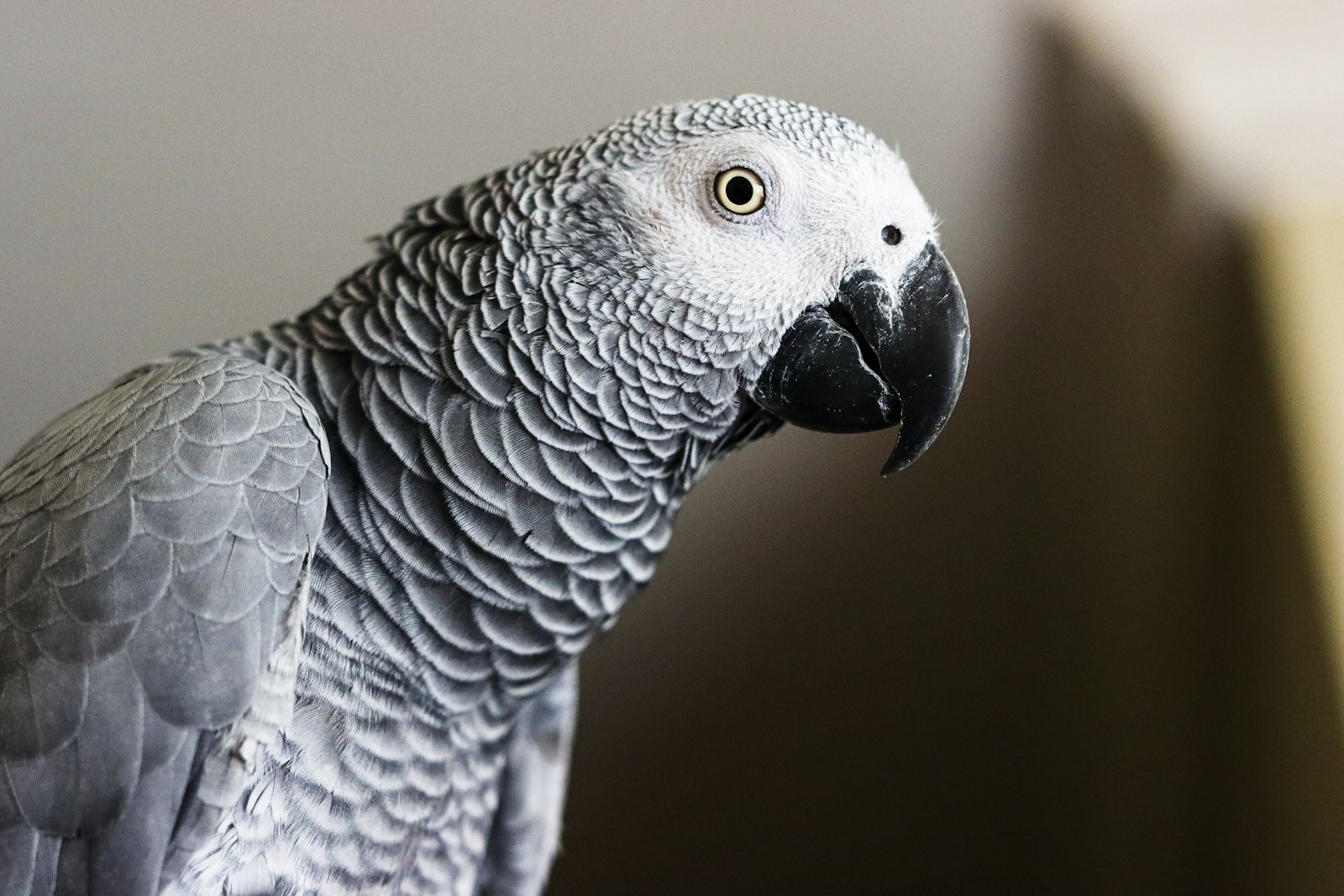
The Congo African Grey Parrot, a marvel of the avian world, captivates enthusiasts with its intelligence, vocal prowess, and striking appearance.
Read full article→Browse by category
HealthResolution of Xanthomatosis without Surgical Intervention by J. Miesle M.A., M. Ed., West Chester, Ohio, Xanthomatosis may be confirmed through histopathological testing.
HealthA feather cyst on a bird represents the equivalent of an ingrown hair on a human. Feather cysts are larger in size, of course, since feathers are larger than hairs. The cysts are due to malformation of a developing feather under the skin.
HealthFeather lice are observed as small groupings of tiny dark spots in the webbing of the feathers. Holding a feather up to the light will show feather lice very clearly.
HealthScaly Leg is most commonly caused by Knemidokoptes - also spelled Cnemidocoptes, which are eight-legged microscopic mites that are related to spiders, ticks, and scorpions - but obviously much smaller in size.
HealthAlexandria Animal Hospital – 24-Hours Emergency Service – 2660 Duke Street, Alexandria, VA 22314 – Tel. (703) 823-3601
Dr. Keith Gold, DMV, Chadwell Animal Hospital, 3004 Emmorton Rd, Abingdon, MD 21009 – Tel. (443) 512-8338
Dr. Scott Faulkner – Ankeny Animal and Avian Clinic – www.AnkenyAnimalAndAvian.com
HealthJanice Wolf, Canyon Road Animal Hospital, 4201 Canyon Dr, Amarillo, Texas 79110 – Tel. (806) 359-9465 (Member recommendation)
HealthPamela J. Schott, DVM, 169 US-206, Augusta, NJ 07822 – Tel. (973) 579-1155
Dr. Linda Bostick – Riverview Veterinary Hospital in Cumberland, 3300 Cobb Parkway, Suite 102, Atlanta, GA 30339 – Tel. 770 956 8004
David Hannon, ABVP, Animal Veterinary Service, 555 Trinity Creek Cove, Cordova, TN 38018, Tel. (901) 624-9002
William (Bill) Sager, D.V.M. – Sager Animal Hospital – 4 Strawberry Hill Road, Acton, MA 01720 – Tel. (978) 263-3535
Beak School is the on-demand parrot training course from the team behind Beauty of Birds. On-demand video lessons on biting, screaming, nutrition, grooming, plus monthly live Q&A and a private community of owners who actually get it.