Citron Cockatoo or Citron-crested Cockatoo
The Citron-crested Cockatoo, Cacatua sulphurea citrinocristata, is the smallest of the Lesser Sulphur-crested Cockatoos subspecies. They are critically
Articles about Cockatoos from the Beauty of Birds archive of expert pet bird care and training guides.
The Citron-crested Cockatoo, Cacatua sulphurea citrinocristata, is the smallest of the Lesser Sulphur-crested Cockatoos subspecies. They are critically
The Short-billed Black Cockatoos or Carnaby’s Black Cockatoos (Calyptorhynchus latirostris) are also known as the Large Black Cockatoos, or simply Carnaby’s
John and Carolyn recently adopted a sulphur crested cockatoo. Below is their touching story
Cockatoos generally nest in tree cavities of the largest trees, about 16 – 100 ft (~5 to 30 meters) above the ground.
Large flocks of Red Tailed Black Cockatoo are commonly seen in the dry woodland areas of northern Australia. Further south, pairs or smaller family groups
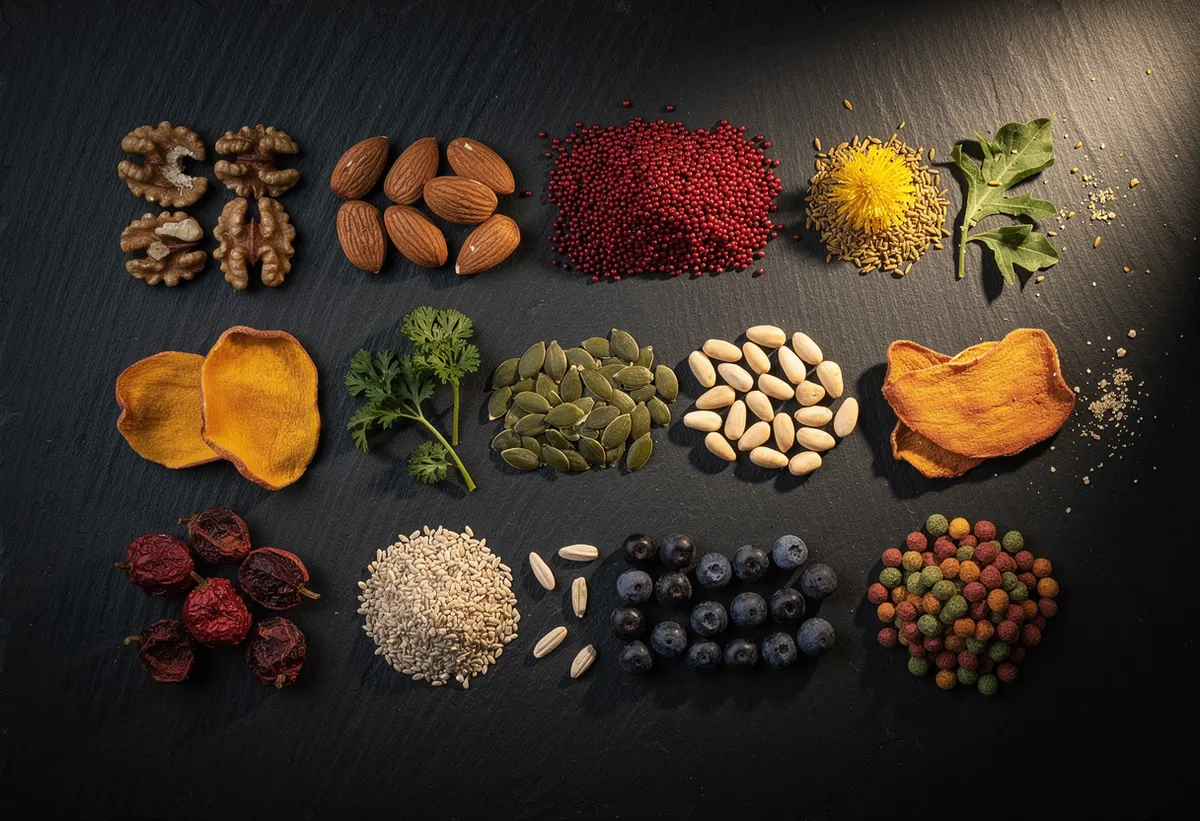
Cockatoos need a balanced diet of equal shares of seeds and vegetables with a small number of fruits, nuts, proteins, cooked rice, bean mixture, and table food, such as cheese, corn, cereal, pasta, meat, etc.
The Long-billed Black Cockatoo, also known as the White-tailed or White-eared Black Cockatoo or Baudin’s Black Cockatoo (Calyptorhynchus baudinii) is a
Sulfur-crested Cockatoos (Cacatua sulphurea abbotti) are common on their native Indonesian Island of Solombo Besar.
References:Parrots and Related Birds by Henry Bates and Robert BusenbarkOnline Book of Parrots – Cockatoos by Warner and Susanne Lantermann
The Palm Cockatoo (Probosciger aterrimus), also known as the Goliath Cockatoo, is a large smoky-grey or black parrot of the cockatoo family.