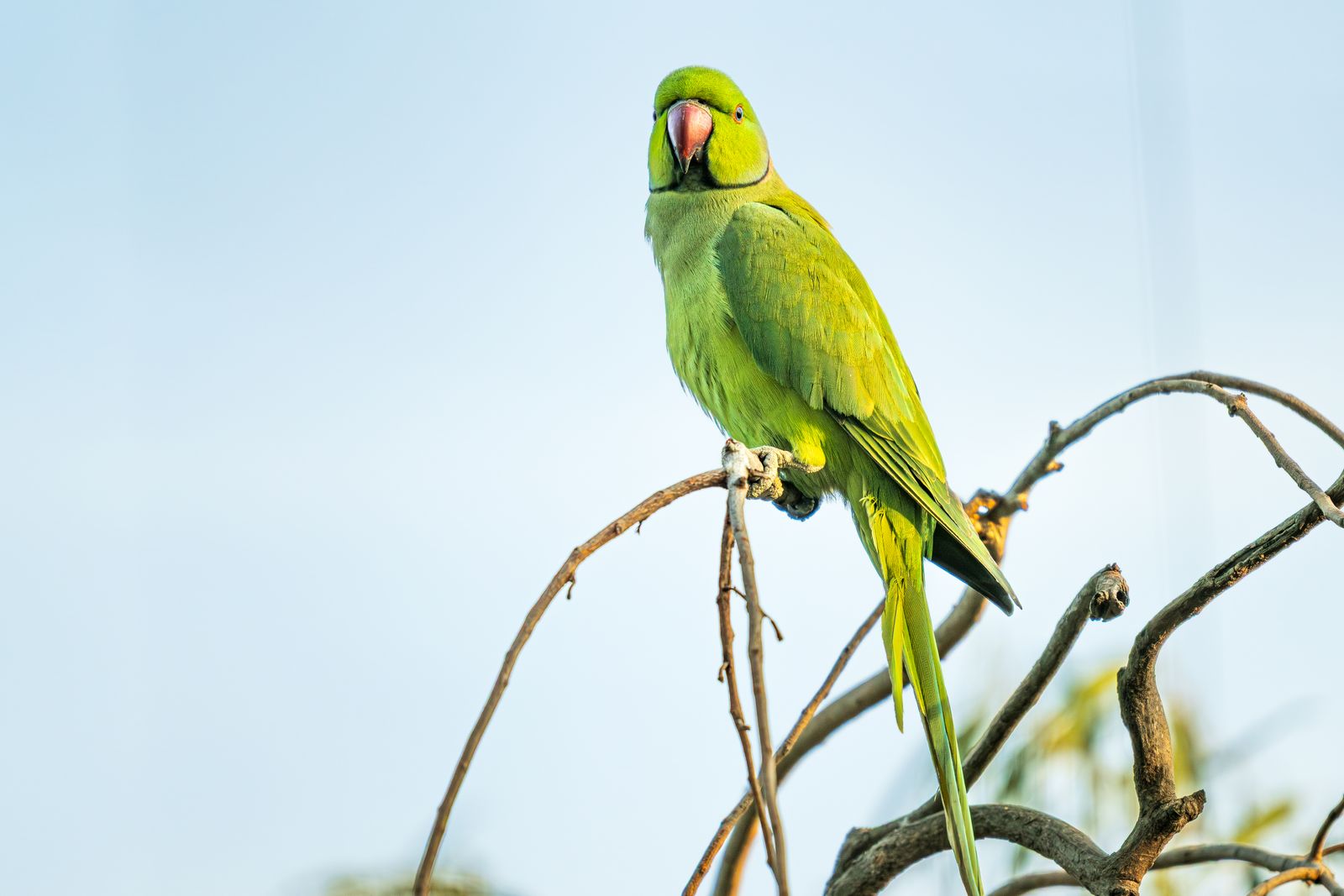
The Diet / Food/ Nutritional Needs of Ringneck Parrots
In the wild, Ringnecked Parakeets mostly feed on seeds, grains, blossoms, fruits, berries, greens, vegetables, berries, nuts and even nectar.
Pet Birds articles from Beauty of Birds: expert, ethical guidance on caring for and training pet birds.
In the wild, Ringnecked Parakeets mostly feed on seeds, grains, blossoms, fruits, berries, greens, vegetables, berries, nuts and even nectar.
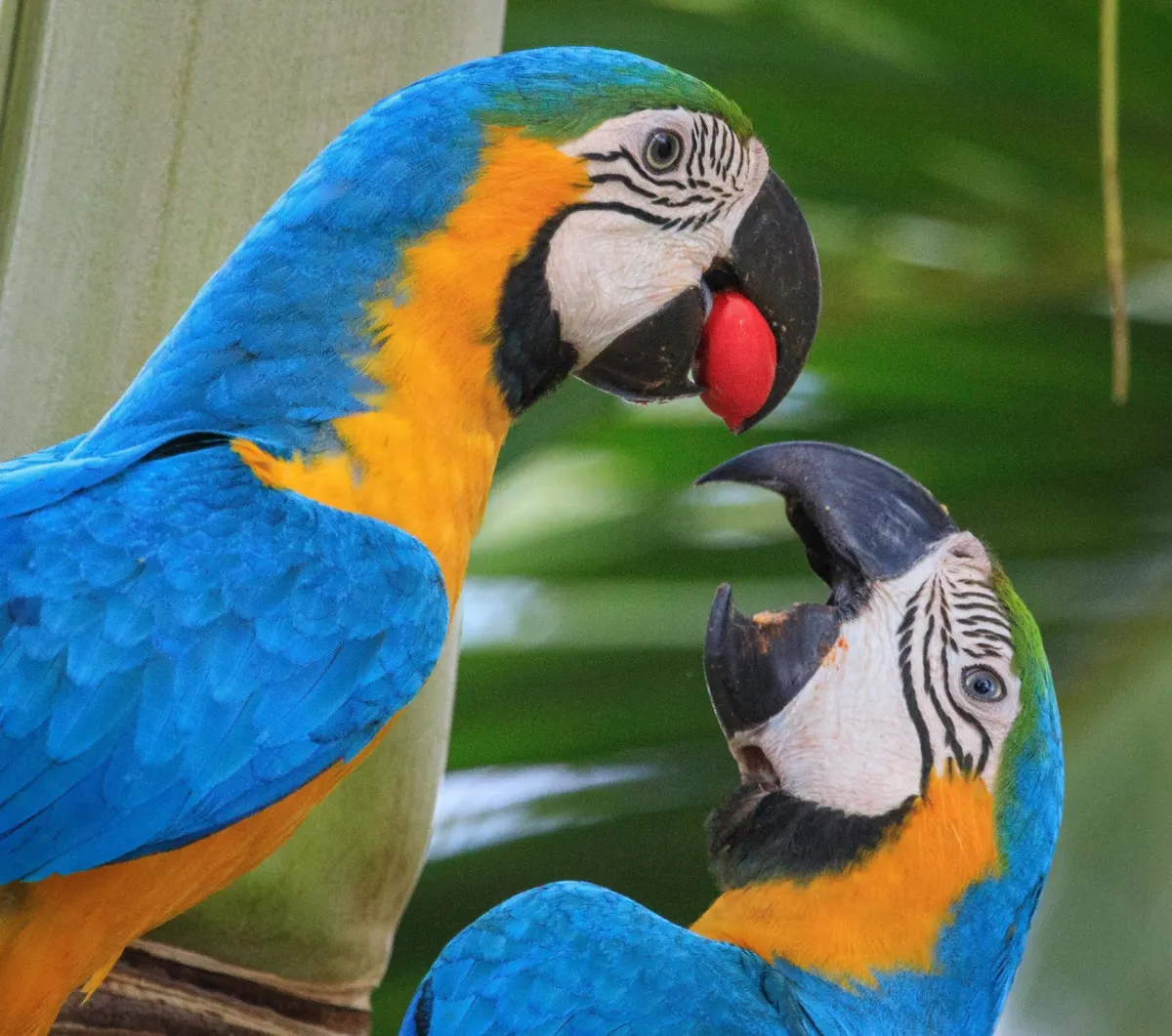
The Yellow-faced Parrotlet (Forpus xanthops) is endemic to dry woodland, riparian thickets and scrub in the Marañón Valley in north-western Peru.
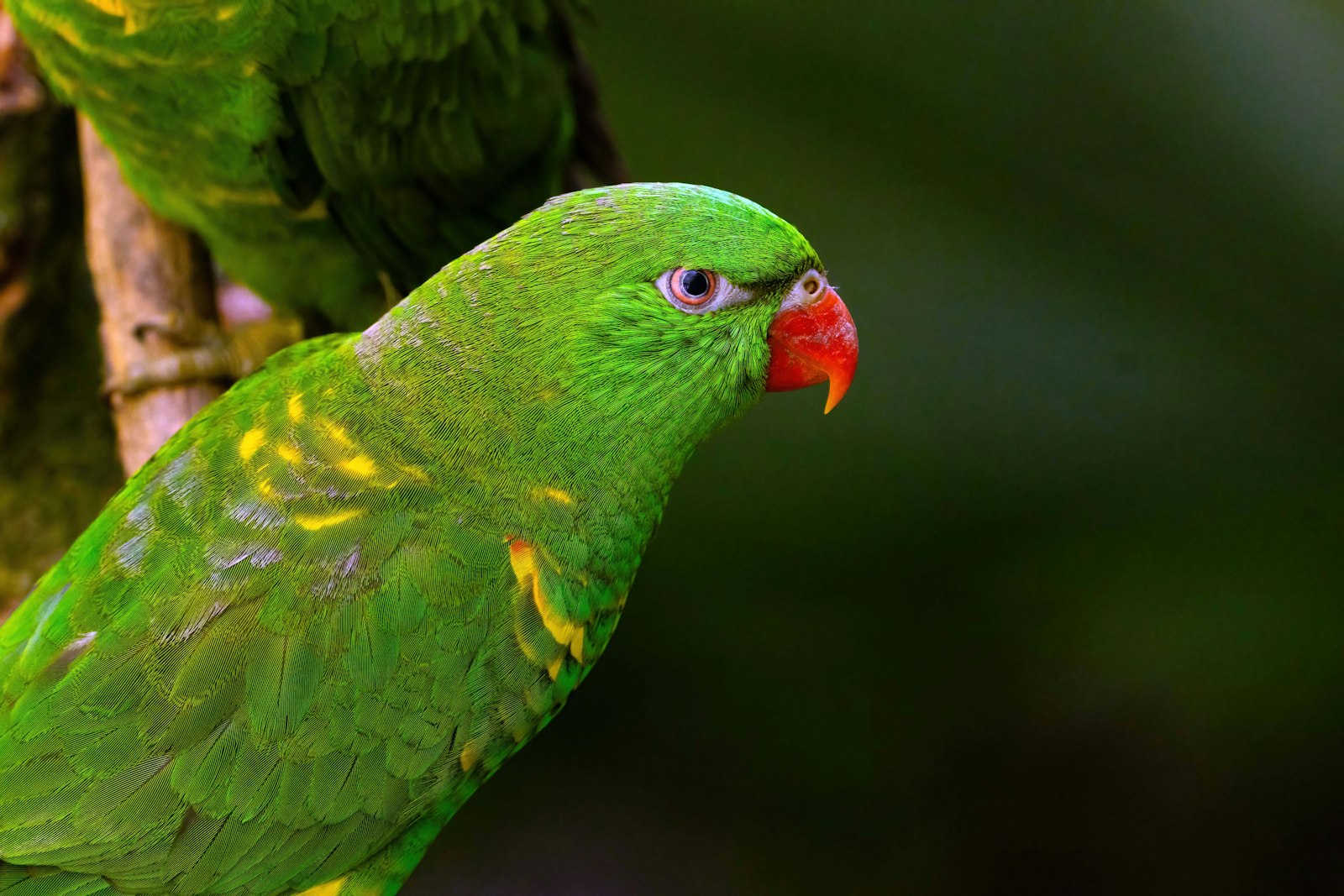
The Scaly-breasted Lorikeet, Trichoglossus chlorolepidotus, is an Australian lorikeet that is endemic to north-eastern Australia. This lorikeet is common in
The Gold-capped Conure (Aratinga auricapillus) – also known as Golden-capped Parakeets – are endemic to Brazil and Paraguay.
The Golden-plumed Conure / Parakeet aka Branicki’s Conure (Leptosittaca branickii) is a small Andean conure that is endemic to Colombia, Ecuador and Peru.
The Cuban Red Macaw, Ara tricolor, is an extinct parrot that formerly occurred on Cuba and the Isla de la Juventud. Its extinction was caused by
The Hoffman's Conure (Pyrrhura hoffmanni), also known as Sulphur-winged or Sulfur-winged Parakeet, is endemic to the highlands of southern Costa Rica and western Panama. Their preferred habitat includes mountain forests and open woodland up to 3000 m.
The Blue-headed Racquet-tail Parrots, Prioniturus platenae - also known as Palawan Racquet-tail - are found in the western Philippines, around the island province Palawan.
The Green-rumped Parrotlet aka Guiana Parrotlet (Forpus passerinus passerinus or Forpus guianensis ) is restricted to French Guiana, Suriname and Guyana.
The Kākās, Nestor meridionalis, are parrots that are native to the forests of New Zealand, where they inhabit South and Stewart Island, larger offshore islands. These parrots live in the lowland and mid-altitude forest.